CHEMISTRYCAMBRIDGE IGCSE CHEMISTRY (0620)
Identifying an unknown salt
Put the cation, anion and flame tests together to name an unknown salt from your own observations.
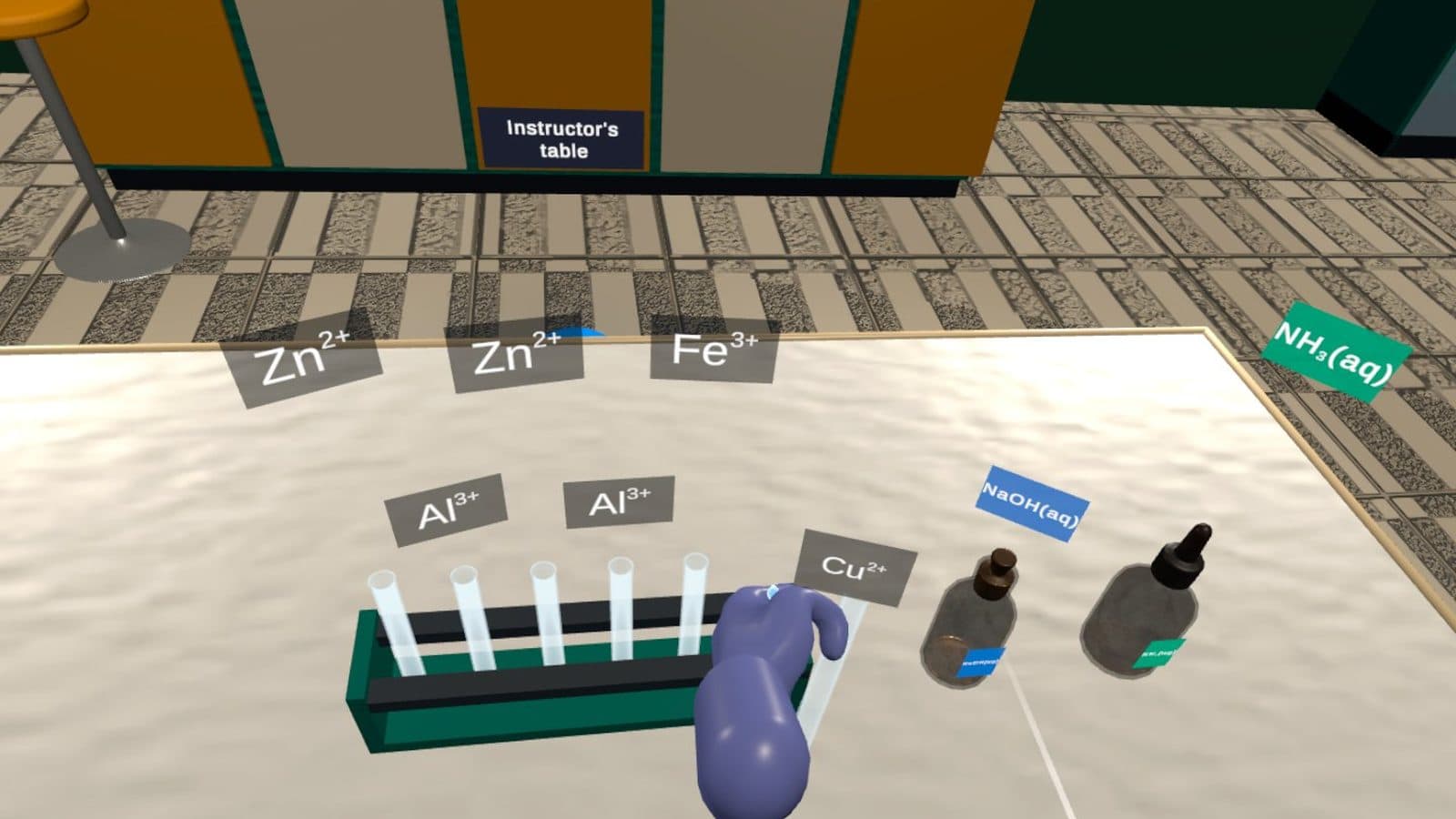 IN LABORAVR · IN THE HEADSET
THE PRACTICAL
What you do
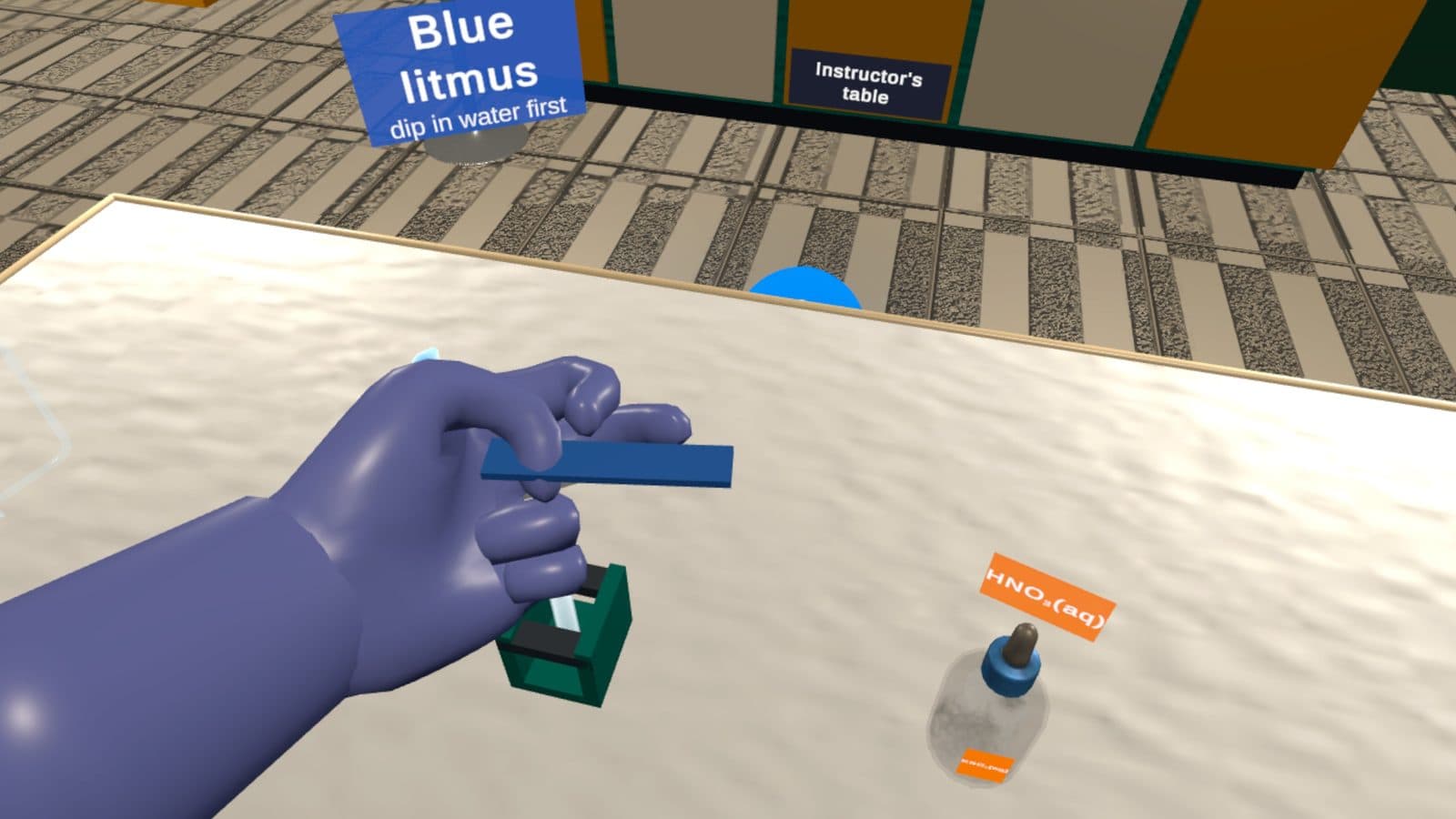
Make a solution of the salt. Test portions of it for the cation and for the anion, and do a flame test on the solid. Record every observation, then write the name of the salt.
| Step | What it tells you |
|---|---|
| Look at it | A coloured solid or solution narrows the cation down (copper(II) compounds are often blue or green) |
| Flame test | Lithium, sodium, potassium, calcium, barium or copper(II) |
| Aqueous sodium hydroxide, then excess | The cation, from the precipitate and whether it dissolves; warm it to test for ammonium |
| Aqueous ammonia, then excess | Separates ions that look alike with sodium hydroxide, such as zinc and aluminium |
| Anion tests | Carbonate, a halide, sulfate, sulfite or nitrate |
IN THE EXAM
Write the observation and the conclusion separately. “White precipitate, soluble in excess” is the observation; “zinc or aluminium” is the conclusion, until ammonia decides between them.
IN LABORAVR
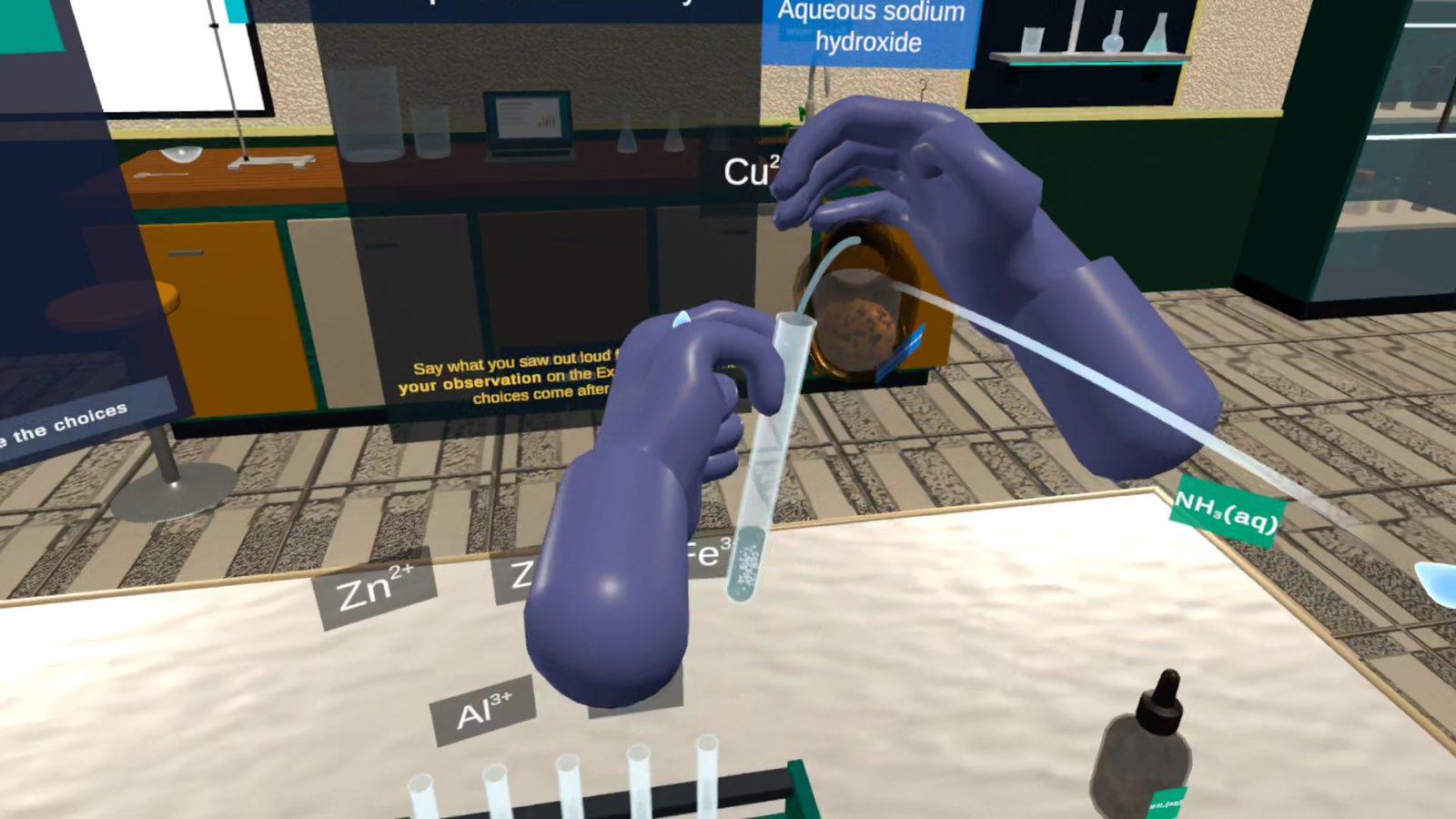
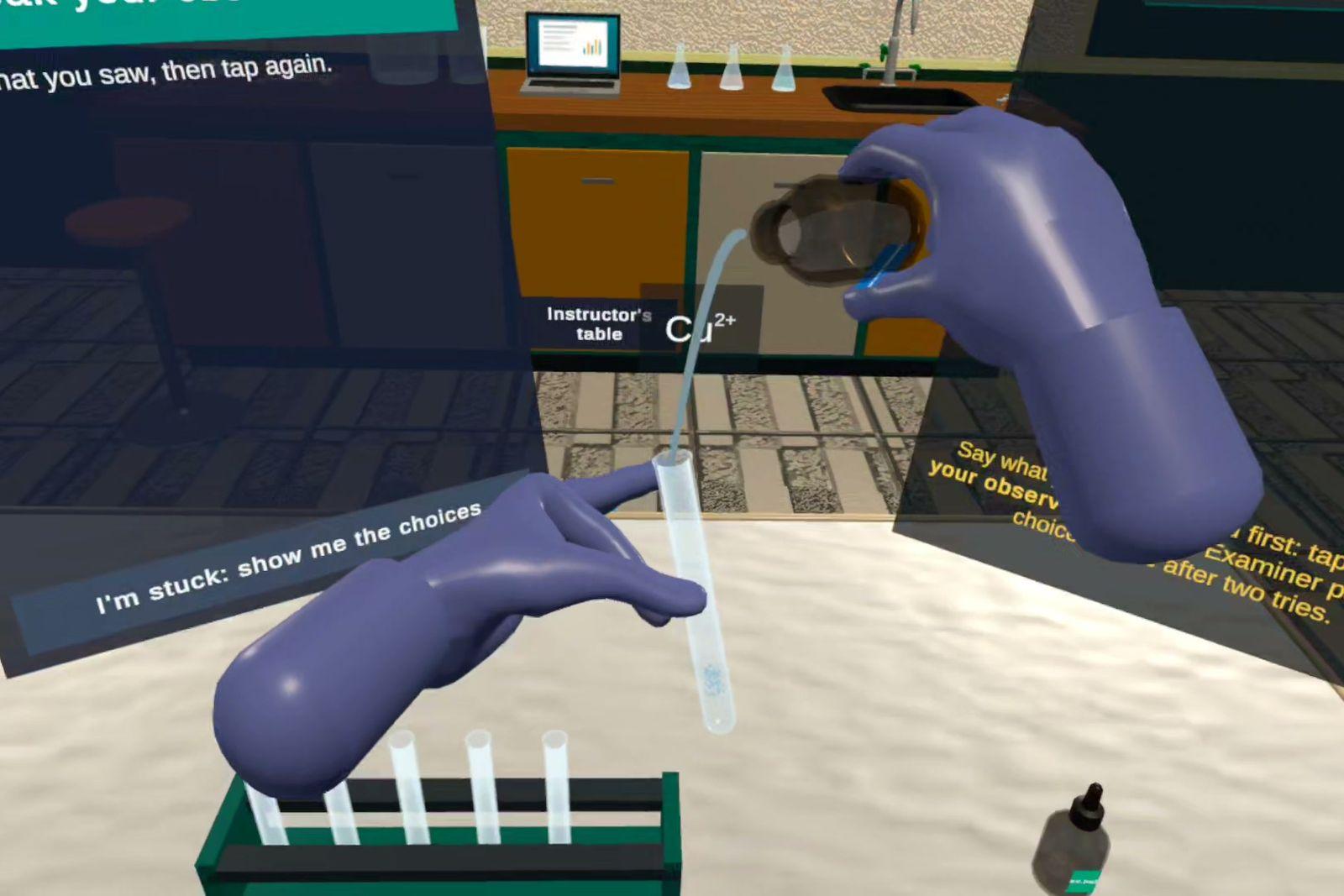
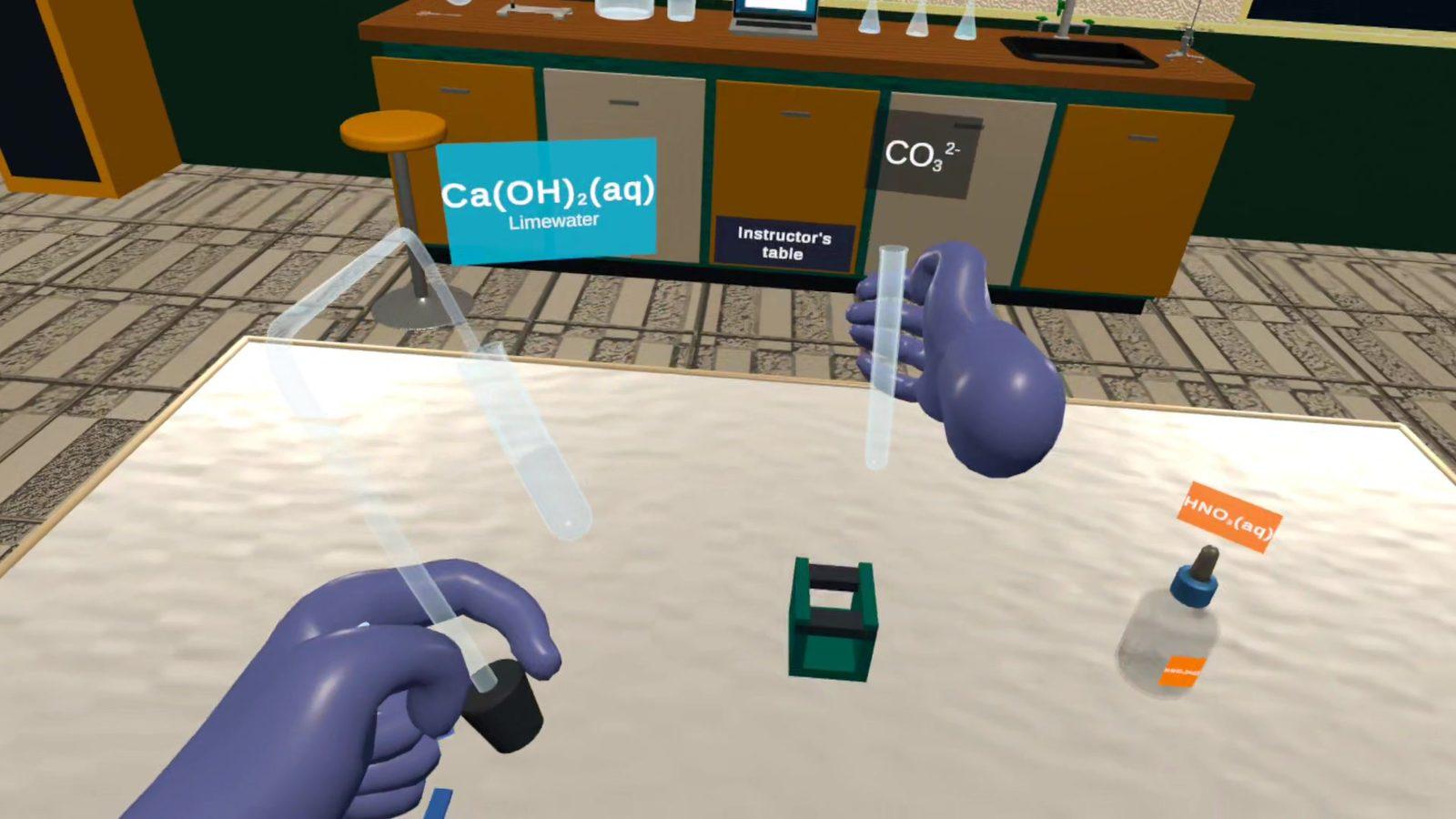
Do it with your own hands.
- Unknown of the day: a new unknown salt every day, the same for every student.
- Test it on the bench, then name its cation and its anion.
- Keep a streak of days.
- Show the headset a packet of table salt or washing soda from your kitchen, and test for the ions in it.
Want this in your school?
We are preparing our first school pilot. The first departments decide what gets built next.
Join the pilotFor students preparing for IGCSE practical papers. Not affiliated with or endorsed by Cambridge.