ABOUT
Bright students, empty benches.
LaboraVR is being built in Ghana, for Ghanaian universities first.

Across African universities, science departments teach practical subjects to students who rarely get to practise. Equipment is expensive, reagents run out, and one working lab has to serve hundreds of people. What gets cut first is the part where a student actually handles the apparatus.
Virtual reality does not fix an underfunded department. What it does is remove the two constraints that make practical work ration-able in the first place: cost per attempt, and risk. In a headset, an attempt costs nothing and a mistake harms no one, so a student can run the same titration until the method is theirs.
Software that does this already exists. It is priced for institutions with budgets ours do not have, and built around syllabuses ours do not follow. LaboraVR is the version built here, for here.
It is early. We are looking for the first departments willing to shape it.
WHO IS BUILDING THIS
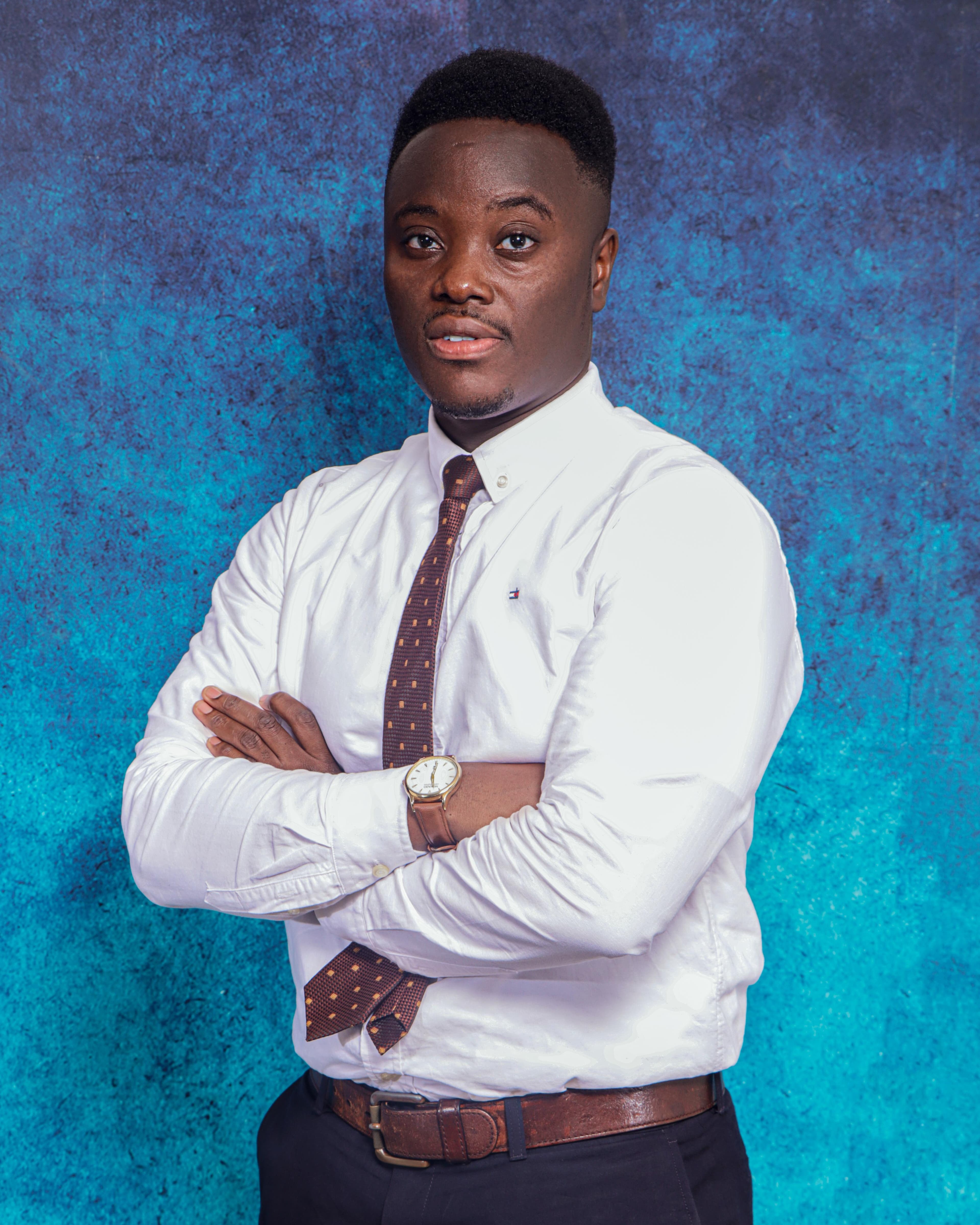
Jeffery Nketiah
FOUNDER — DEVELOPER
LaboraVR is a one-person company right now. I write the code, build the simulations, and sit in the meetings — which means when a department tells me something is wrong, it gets changed by the person who built it.
If you run a science department in Ghana, I'd rather hear what you actually need than guess at it.
HOW WE WORK
Three things we hold to.
HONEST
We say what is built and what isn’t
Nothing on this site is described as finished when it is still in development. A department head who finds out later stops trusting everything else we say.
LOCAL
Priced for the institutions we serve
Existing virtual lab software is priced for universities with budgets our institutions do not have. That gap is the reason this exists.
PRACTICAL
A supplement, not a replacement
Nothing replaces a student’s hands on real apparatus. This is for the practicals that currently do not happen at all.