CHEMISTRYCAMBRIDGE IGCSE CHEMISTRY (0620)
Rate of reaction: magnesium and acid with a gas syringe
Collect the hydrogen from magnesium and dilute acid in a gas syringe, record the volume at regular times, and read the rate from the graph.
THE PRACTICAL
What you do
Add magnesium ribbon to dilute hydrochloric acid in a flask connected to a gas syringe, and start the clock. Record the volume of gas at regular intervals until it stops changing. Plot volume against time.
| Point | Why |
|---|---|
| The curve is steepest at the start | The reactants are most concentrated, so the rate is highest |
| It gets less steep | The acid is used up and particles collide less often |
| It levels off | One reactant has run out, so no more gas is made |
| More concentrated acid: steeper start | More frequent collisions between particles |
| The rate at any time | The gradient of the curve at that time |
IN THE EXAM
If the magnesium runs out first, changing only the acid’s concentration changes how fast the gas comes, not how much: the final volume stays the same.
Practise it here, free:
Practical paper quizIN LABORAVR
Do it with your own hands.
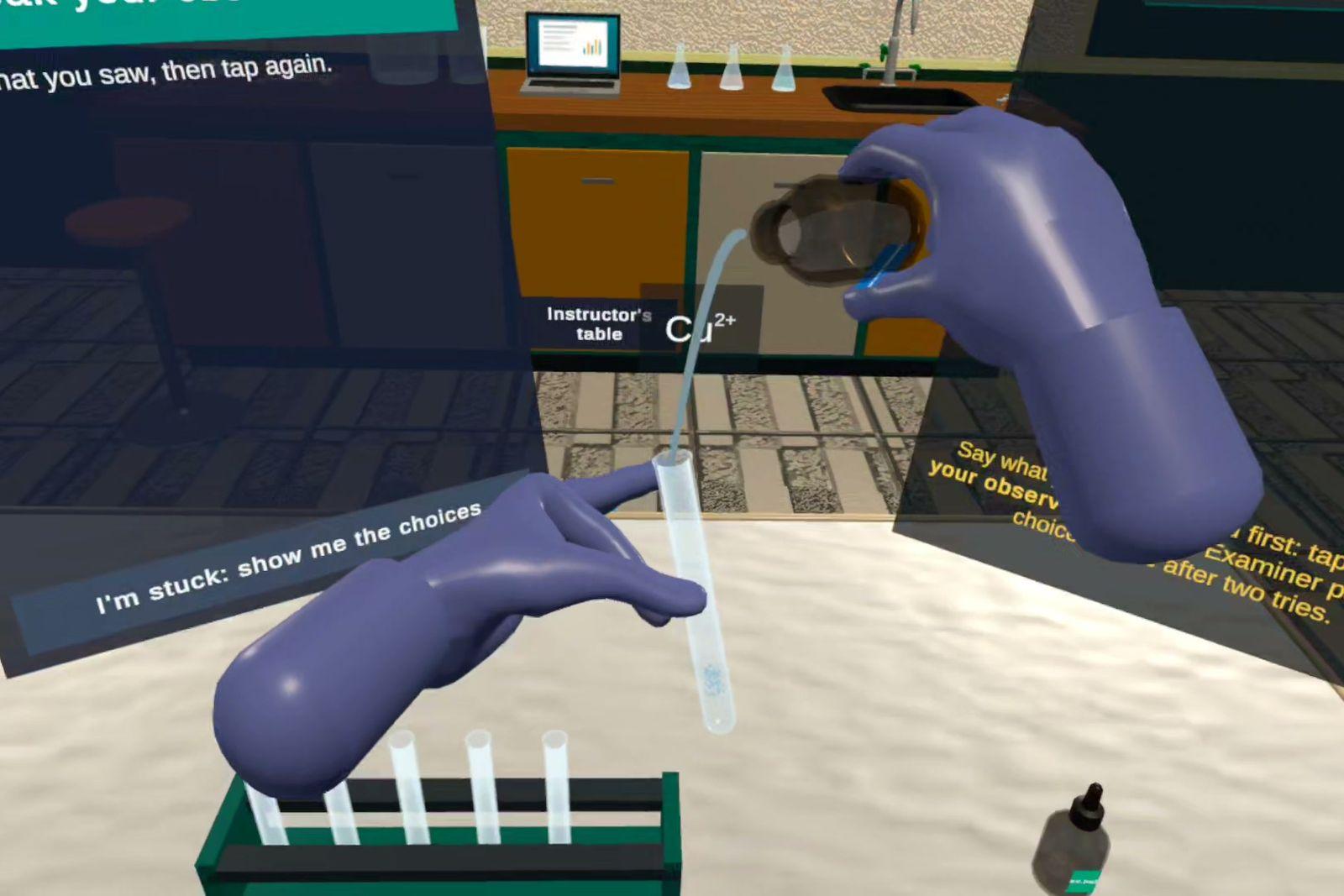
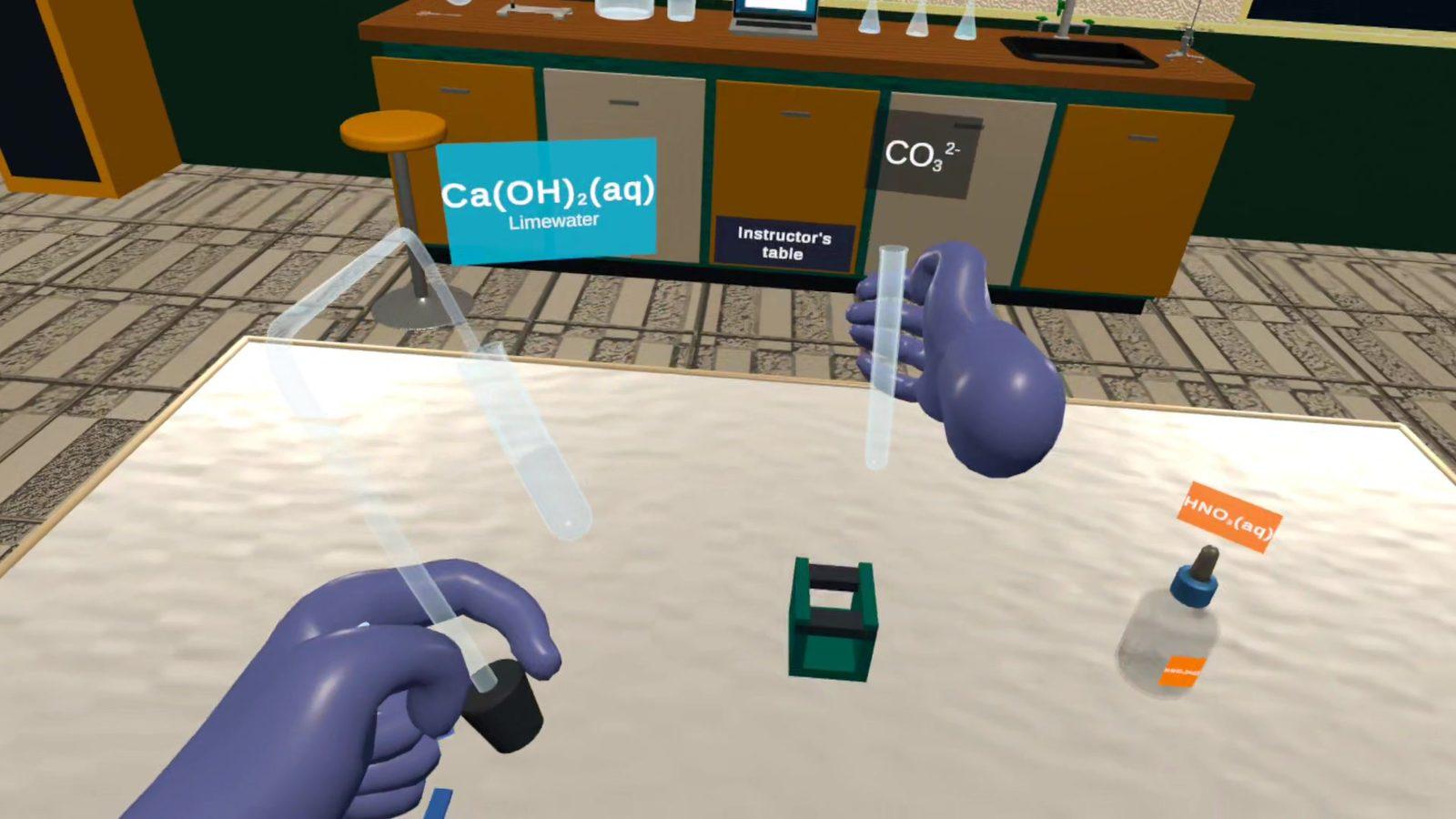
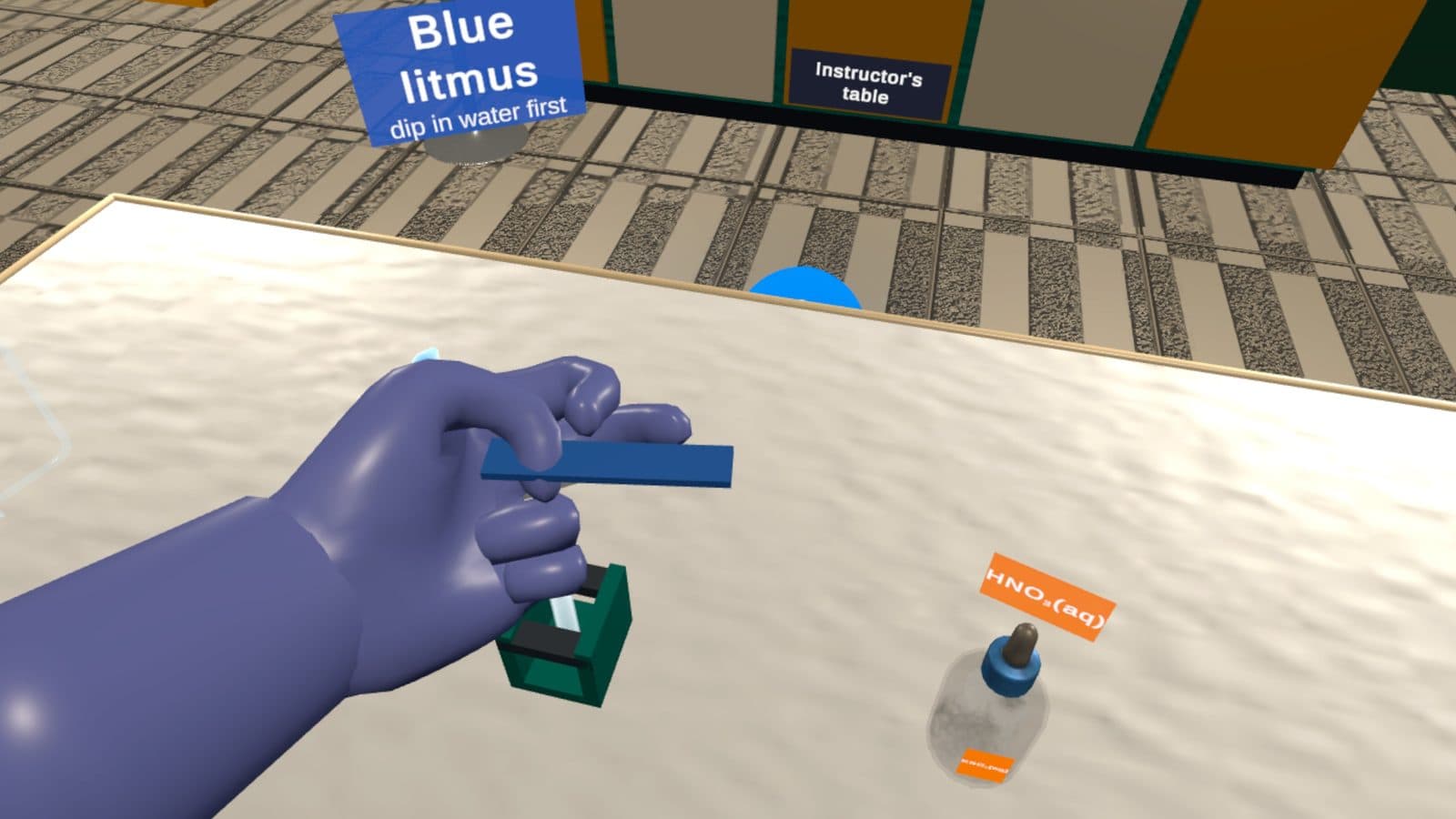
- Follow magnesium in acid with a gas syringe.
- The syringe is read from the apparatus itself, and each reading goes into your own table.
- Your own readings are plotted on your own graph.
Want this in your school?
We are preparing our first school pilot. The first departments decide what gets built next.
Join the pilotFor students preparing for IGCSE practical papers. Not affiliated with or endorsed by Cambridge.