CHEMISTRYCAMBRIDGE IGCSE CHEMISTRY (0620)
Temperature change when an acid is neutralised
Add acid to an alkali in a polystyrene cup, record the temperature after each portion, and find the volume that neutralises it from the graph.
THE PRACTICAL
What you do
Measure a volume of alkali into a polystyrene cup and record its temperature. Add the acid in equal portions, stirring, and record the highest temperature after each one. Plot temperature against volume of acid added.
| Point | Why |
|---|---|
| The temperature rises | Neutralisation is exothermic: it gives out heat |
| It reaches a maximum | At the point where the acid has just neutralised the alkali |
| Then it falls slowly | No more heat is given out; the cooler acid added, and heat lost to the air, cool the mixture |
| Draw two straight lines | Where they cross gives the volume of acid needed and the maximum temperature |
| A polystyrene cup, with a lid | It is a poor conductor, so less heat is lost to the air |
IN THE EXAM
Draw two separate best-fit lines, one for the rising points and one for the falling points, and read the volume where they cross. Do not join the points dot to dot.
Practise it here, free:
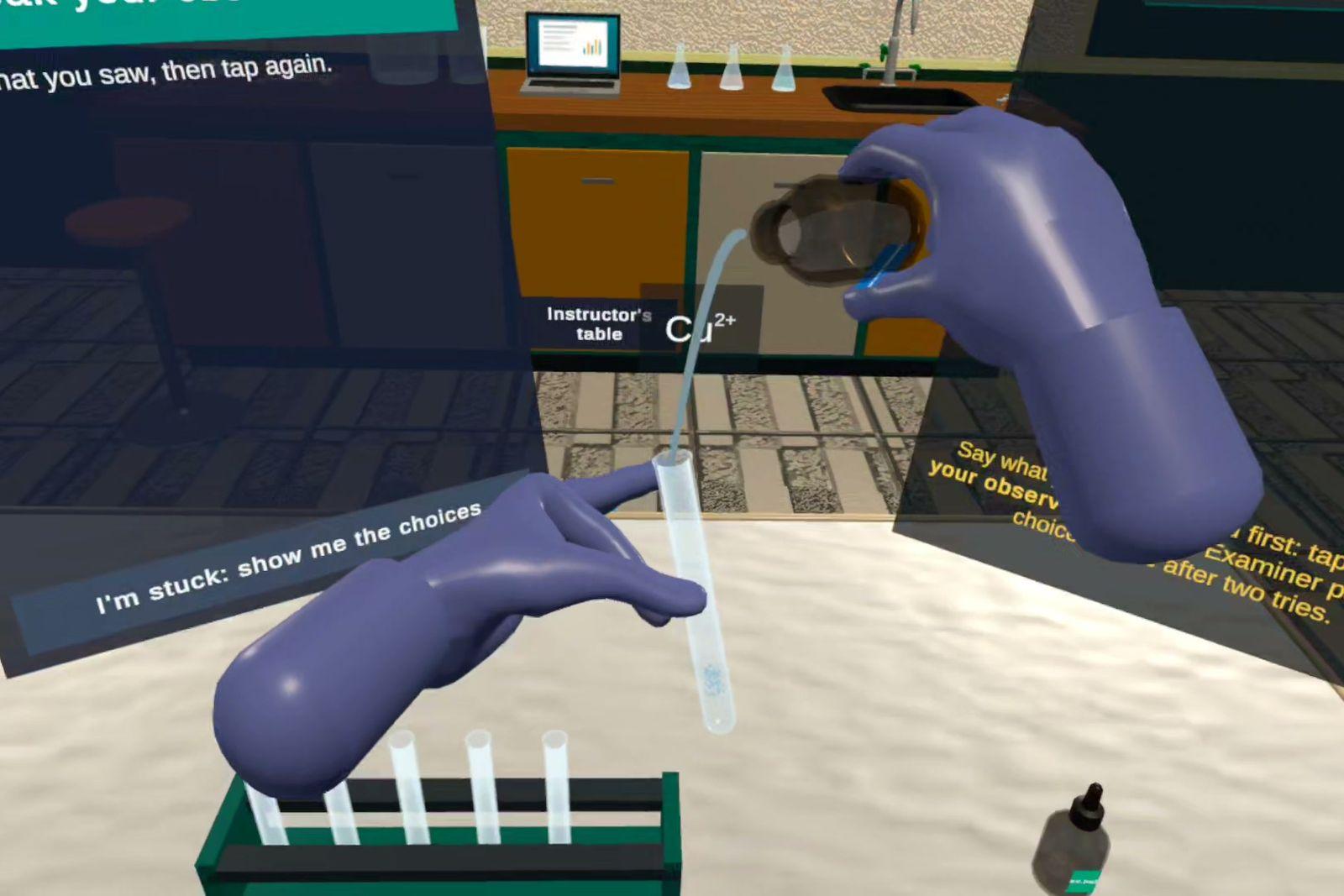
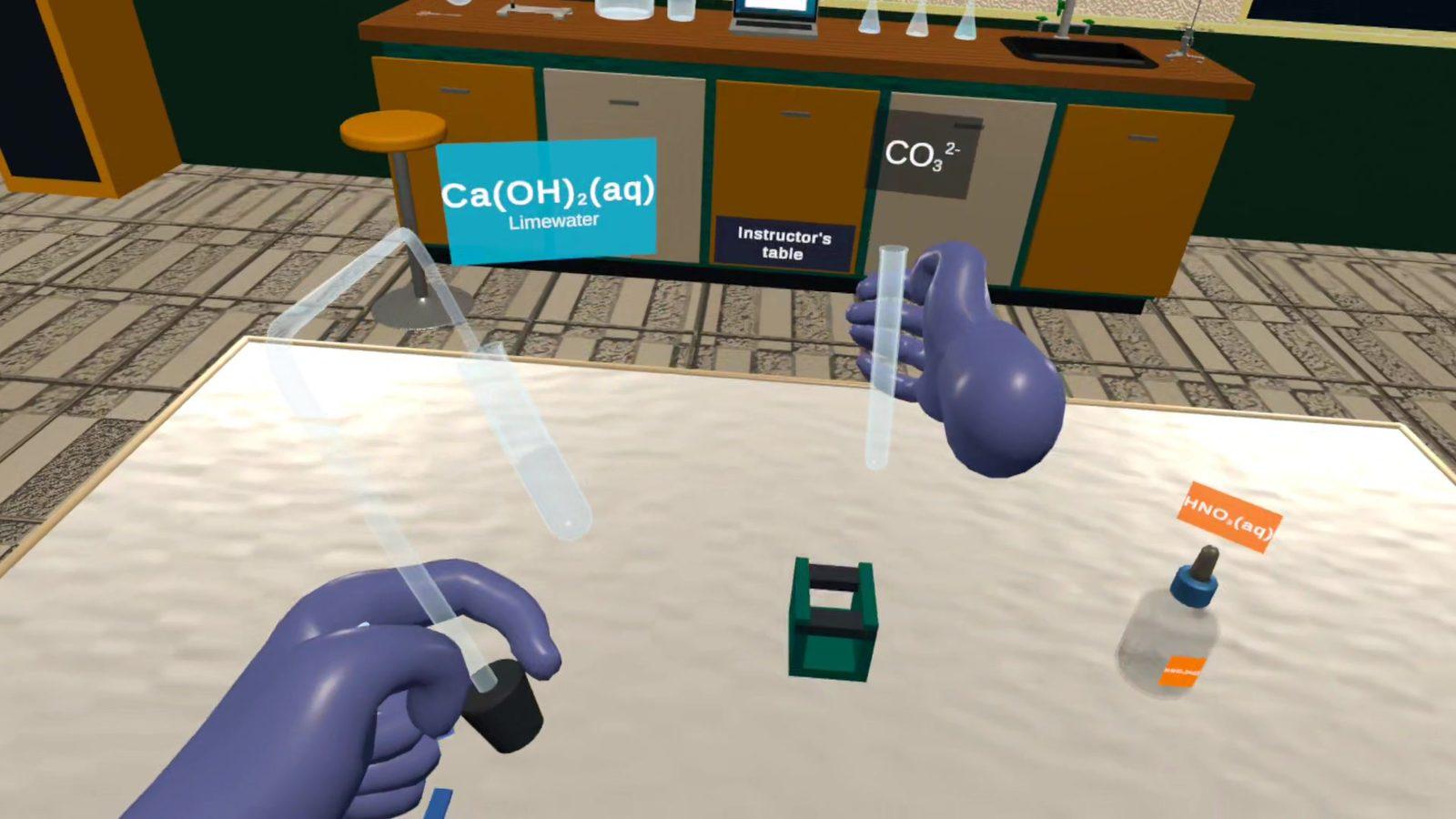
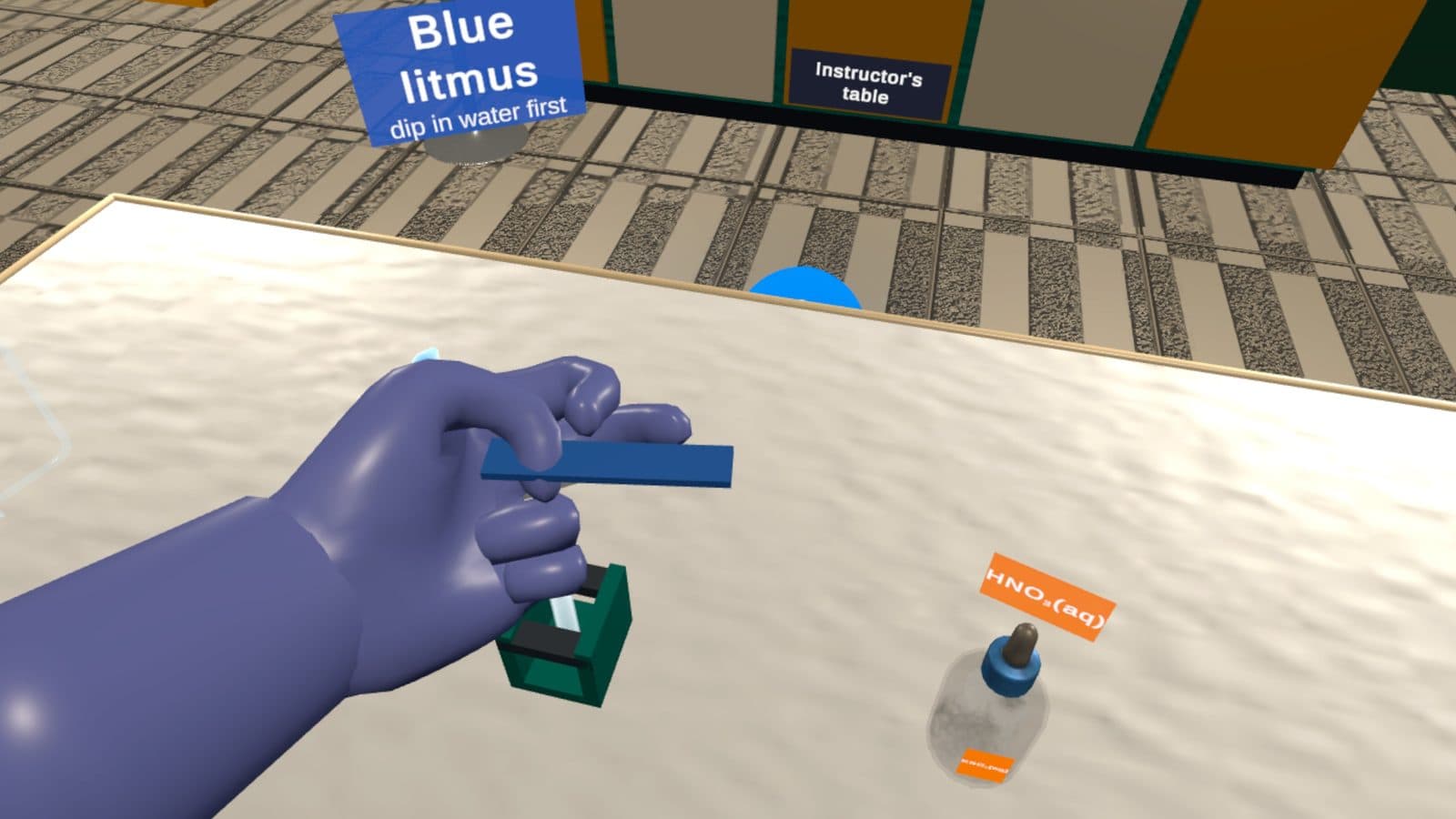
Practical paper quizIN LABORAVR
Do it with your own hands.
- Neutralise an acid in a cup, with a thermometer.
- The thermometer is read from the apparatus itself, and each reading goes into your own table.
- Your own readings are plotted on your own graph.
Want this in your school?
We are preparing our first school pilot. The first departments decide what gets built next.
Join the pilotFor students preparing for IGCSE practical papers. Not affiliated with or endorsed by Cambridge.