BIOLOGYCAMBRIDGE IGCSE BIOLOGY (0610)
Biological drawing: be the examiner
What a full-mark biological drawing looks like: clear single lines, no shading, the right proportions, and ruled labels.
DIAGRAM
THE PRACTICAL
What you do
Draw the specimen in pencil, large enough to fill most of the space, with its proportions right. Add ruled label lines and a title, and work out the magnification if asked.
| Rule | What it means |
|---|---|
| Clear, continuous lines | One sharp pencil line for each edge: no sketching, no gaps |
| No shading | Show structures with outlines only |
| Large | Fill most of the space given |
| Correct proportions | Parts the right size compared with each other |
| Label lines with a ruler | Touching the part, not crossing each other, no arrowheads |
| Magnification = drawing size ÷ actual size | Measure both in the same units |
IN THE EXAM
A drawing that looks “artistic” often loses marks: shading, broken lines and arrows on label lines are the usual reasons.
Practise it here, free:
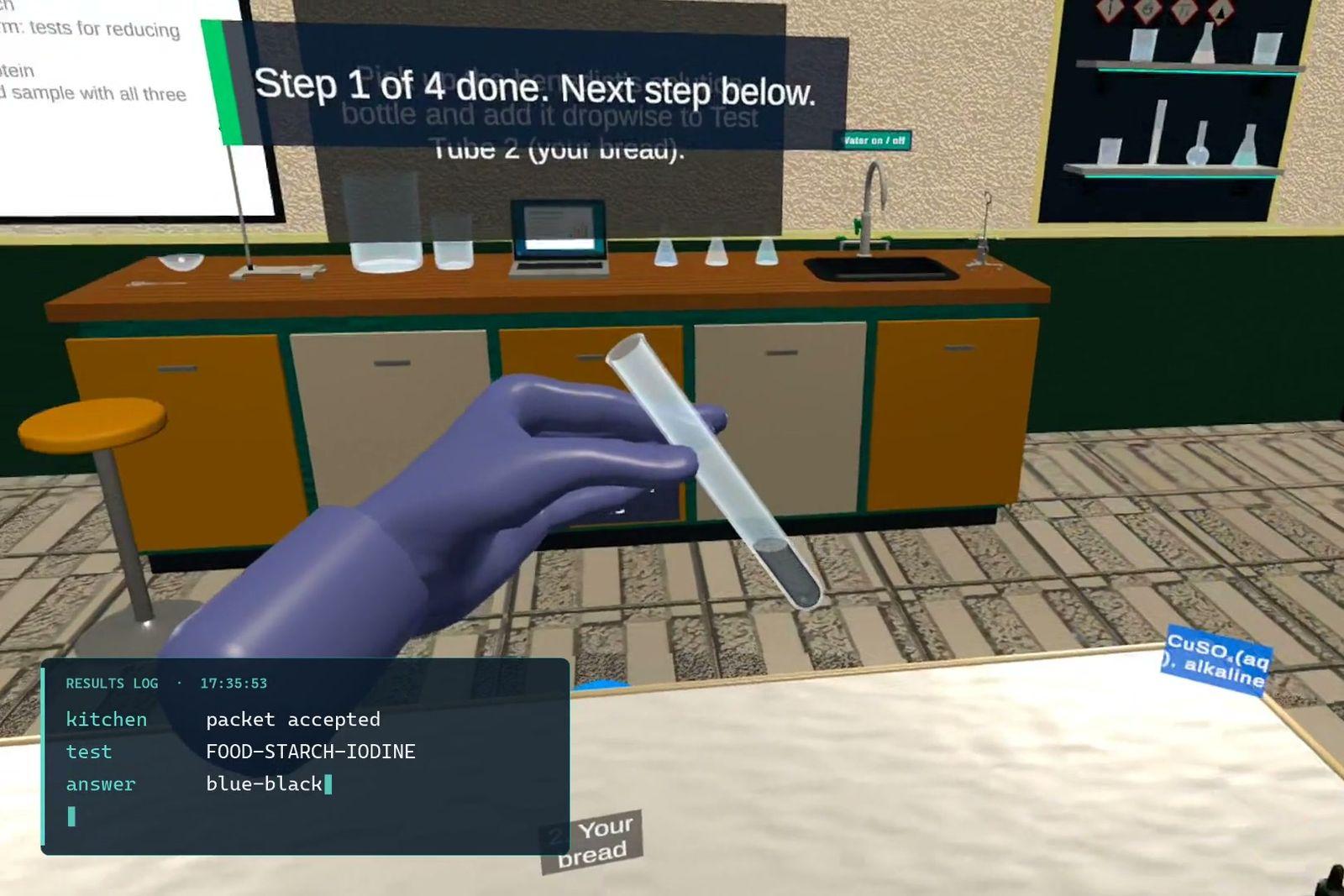
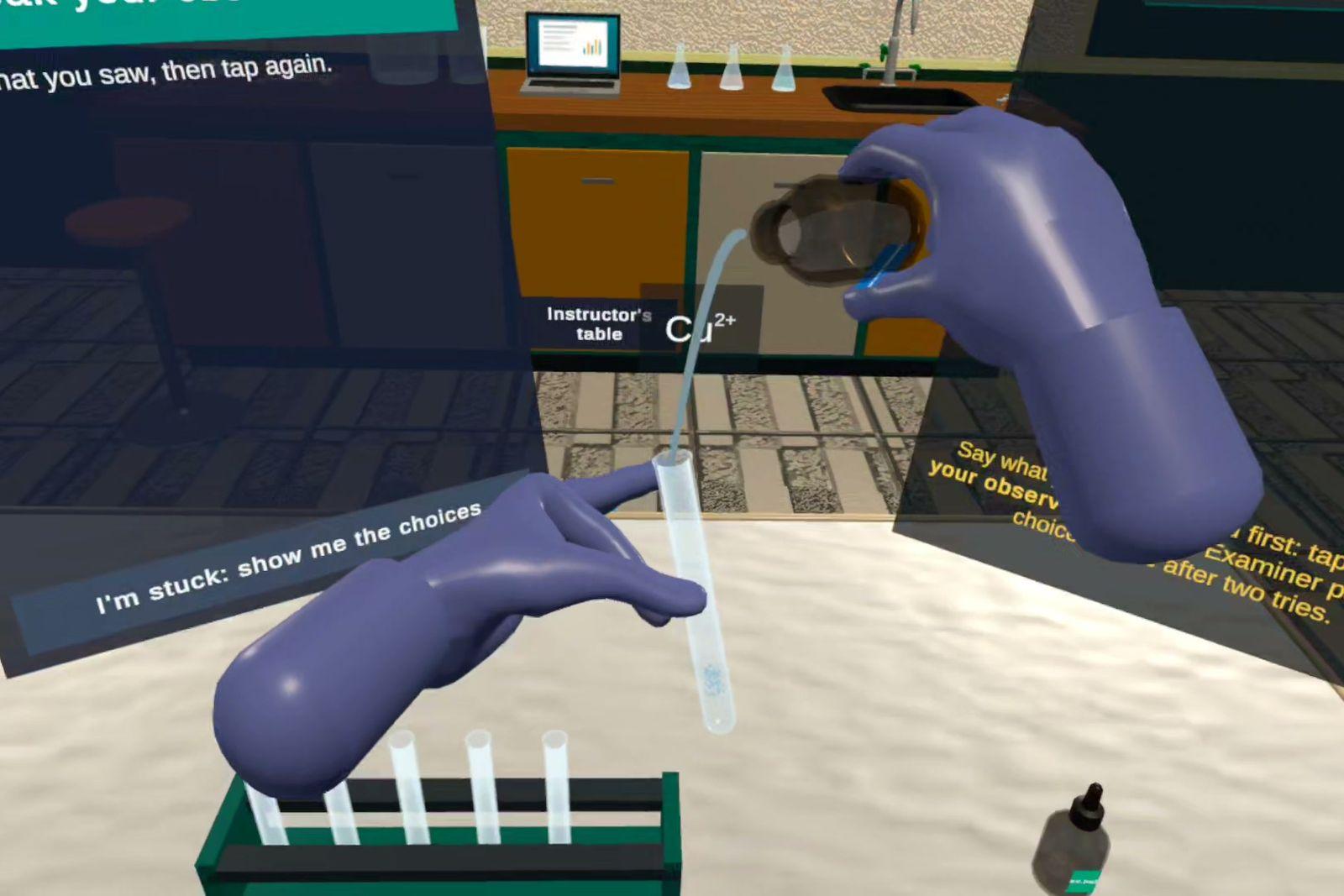
Practical paper quizIN LABORAVR
Do it with your own hands.
- Show the headset a real leaf.
- Four drawings of that leaf appear. Find the one that earns full marks, and name what is wrong with the others.

Want this in your school?
We are preparing our first school pilot. The first departments decide what gets built next.
Join the pilotFor students preparing for IGCSE practical papers. Not affiliated with or endorsed by Cambridge.